Automated hiring tools are facing lawsuits and regulatory scrutiny after applicants and researchers raised concerns that the systems are opaque and discriminatory. Erin Kistler has sued Eightfold AI, arguing its candidate scoring acts like an undisclosed dossier that applicants cannot access or challenge. Studies and high-profile examples show AI can reproduce or amplify bias, and emerging laws in New York City, Illinois and Colorado aim to increase audits and notifications—though advocates push for full transparency into algorithmic evaluations.
AI Hiring Tools Face Lawsuits Over Bias and Secrecy — Candidate Scores and ‘Black Box’ Decisions Under Fire
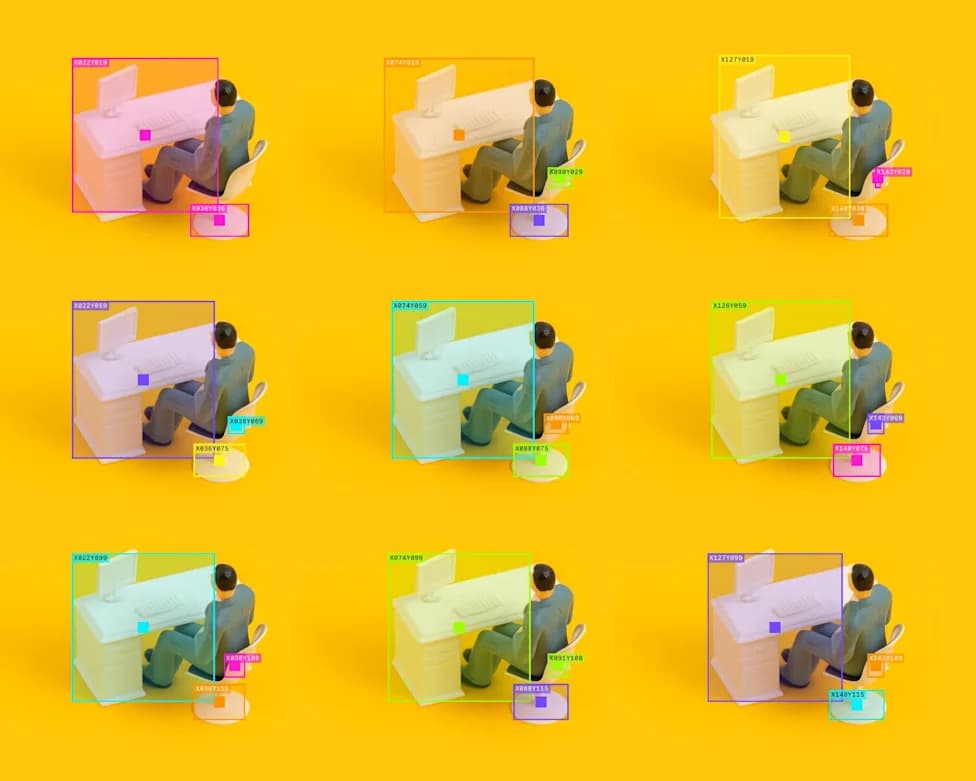
'Companies in the US are increasingly turning to AI to make faster and more efficient workplace decisions, often under the guise of objectivity.'Composite: Alvaro Dominguez/The Guardian
Erin Kistler spent four years submitting thousands of job applications to companies such as PayPal, Microsoft and Netflix, only to have her résumé vanish without explanation. A product manager with nearly 20 years of experience, Kistler says she was qualified for the roles she pursued but never received an interview.
She has filed a class-action lawsuit against Eightfold AI, the Silicon Valley firm behind hiring software used by hundreds of employers. The complaint, filed in January in California, alleges the platform functions like an undisclosed consumer report or applicant dossier—ranking candidates by predicted success without giving them access to those evaluations or a way to challenge them.
Growing Legal and Regulatory Scrutiny
The Eightfold case is one of several recent legal challenges tied to employers’ use of artificial intelligence in workplace decisions. Workers have sued Meta, alleging an internal AI system targeted employees for layoffs after parental or medical leave, and a separate lawsuit accuses IBM of using AI that discriminated against older applicants.
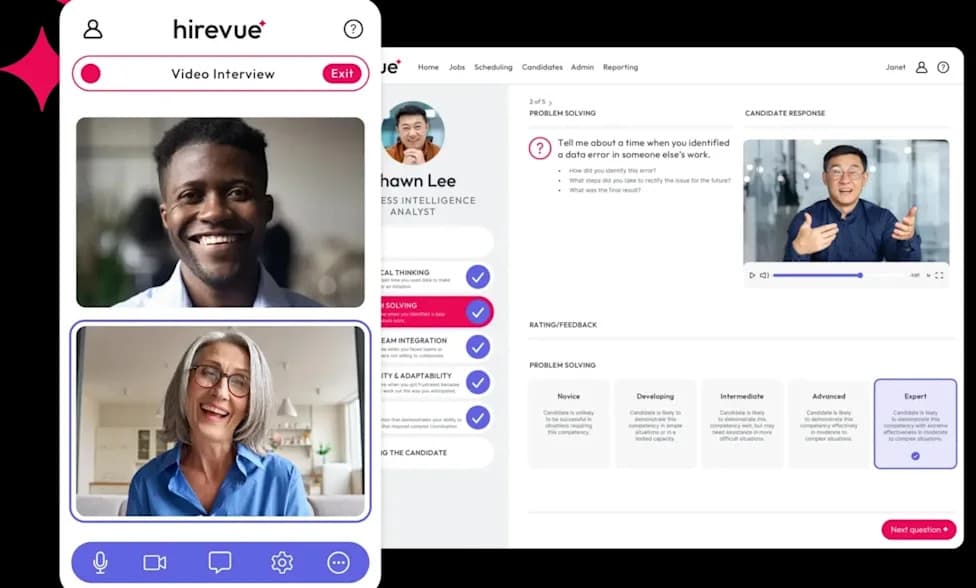
U.S. companies are increasingly deploying AI to speed up hiring, often presenting the technology as more objective than human judgment. According to a World Economic Forum report, about 90% of employers used some form of automation in hiring last year. Tools range from simple filters—such as excluding candidates without a four-year degree—to AI-driven assessments of skills and automated initial interviews.
How These Systems Work—and Why They Worry Advocates
Eightfold describes itself as “the world’s largest, self-refreshing source of talent data.” The company maintains an internal database that continuously updates information drawn from résumés, LinkedIn profiles and public social-media profiles for more than a billion workers who have applied through its platform. Its AI assigns applicants a score between 0 and 5 to predict how well they might perform in a given role; that score can influence which candidates are invited to interviews.
“A large part of the problem is that job applicants don’t know … what the reports say,” said Rachel Dempsey, an attorney representing Kistler. “Applicants should have the same kind of transparency afforded by consumer credit reports so they can correct errors or understand what affects their candidacy.”
Eightfold AI has denied the allegations, calling the claims meritless and saying it intends to defend itself vigorously. IBM has said it does not use AI to automatically filter out candidates and that it does not condone discrimination. Meta did not respond to requests for comment on its lawsuit.
Bias, Reinforcement, and Algorithmic Blacklisting
Researchers and civil-rights advocates warn that these systems can reproduce human prejudices or create new, systemic biases. Nearly all AI models learn from historical data and pattern recognition—so they can reinforce stereotypes or legacy disparities. Amazon, for example, scrapped a recruiting tool that downranked women’s résumés after discovering the model had learned from a male-dominated set of top performers.
Ifeoma Ajunwa, founding director of the AI and Future of Work program at Emory University School of Law, notes that when algorithms are used across many employers, a single negative flag can follow a candidate from company to company. “In reality, you’ve been algorithmically blackballed,” she said.
Academic studies underline the concern. A recent experiment by University of Chicago researchers assigned invented demographic labels (Tufa, Aima, Reku and Weki) to fictional applicants and found that AI models developed stereotyped inferences unrelated to qualifications; the study reported greater bias in AI decisions than in comparable human hiring decisions, and more advanced models sometimes produced stronger bias.
Other research—such as Ifeoma Ajunwa’s work reported in her book The Quantified Worker—found voice-interview systems performed poorly for candidates with Southern accents because the models struggled to understand them, resulting in lower scores.
Industry Responses and Legal Changes
Some vendors and employers insist AI should augment—not replace—human judgment. Iman Abuzeid, CEO of Incredible Health (an AI-assisted hiring platform for healthcare), says their system can conduct phone interviews but does not automatically reject, score, rank or decide who progresses. She adds that about 10% of Incredible Health’s AI interviews are audited by humans for bias.
Regulators are also stepping in. New York City’s 2023 law requires employers using automated hiring systems that “substantially assist” or replace decision-making to conduct annual bias audits and notify candidates in advance. Illinois and Colorado have enacted laws limiting employers’ use of AI that results in unlawful discrimination. However, many statutes still leave loopholes for human-in-the-loop processes and do not broadly require full access to algorithmic dossiers.
What Advocates Want
Plaintiffs’ attorneys and civil-rights advocates seek greater transparency so applicants can see the factors driving automated evaluations, dispute inaccuracies and hold vendors and employers accountable. Jenny Yang, a partner at Outten & Golden representing plaintiffs in the action against Eightfold, said initial notice requirements are a start but that fuller access to algorithmic dossiers would better identify where systems fail.
As companies increasingly rely on AI for hiring, the outcomes of these legal and regulatory challenges could reshape transparency standards, audit requirements and applicants’ rights in the hiring process.
Help us improve.