Mohammed bin Salman faces simultaneous security threats that undermine the regional stability underpinning Vision 2030. Attacks on the East–West pipeline, Houthi advances along the Red Sea and disruptions tied to the US–Iran confrontation have exposed Saudi vulnerabilities. Limited military support from allies, an increasingly fraught Gulf diplomatic environment and mounting economic pressures — including cutbacks to The Line and the PIF’s withdrawal from LIV Golf — now complicate Riyadh’s options. While MBS’s domestic control appears secure, prolonged instability risks making his economic transformation more costly or unachievable.
MBS Under Siege: Regional Escalation Threatens Vision 2030
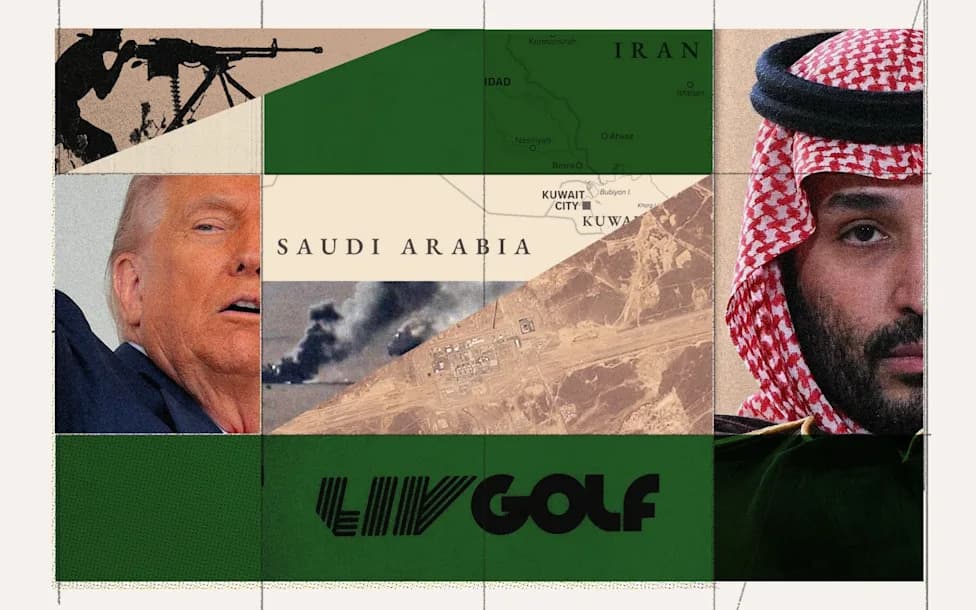
Mohammed bin Salman under siege
Mohammed bin Salman (MBS), Saudi Arabia’s de facto ruler, faces a convergence of security and economic shocks that risk derailing the peaceful environment his Vision 2030 reforms depend on. Attacks on energy infrastructure, Houthi advances along the Red Sea and broader Iran-related tensions have left Riyadh exposed and searching for options.
Multiple Fronts, Limited Options
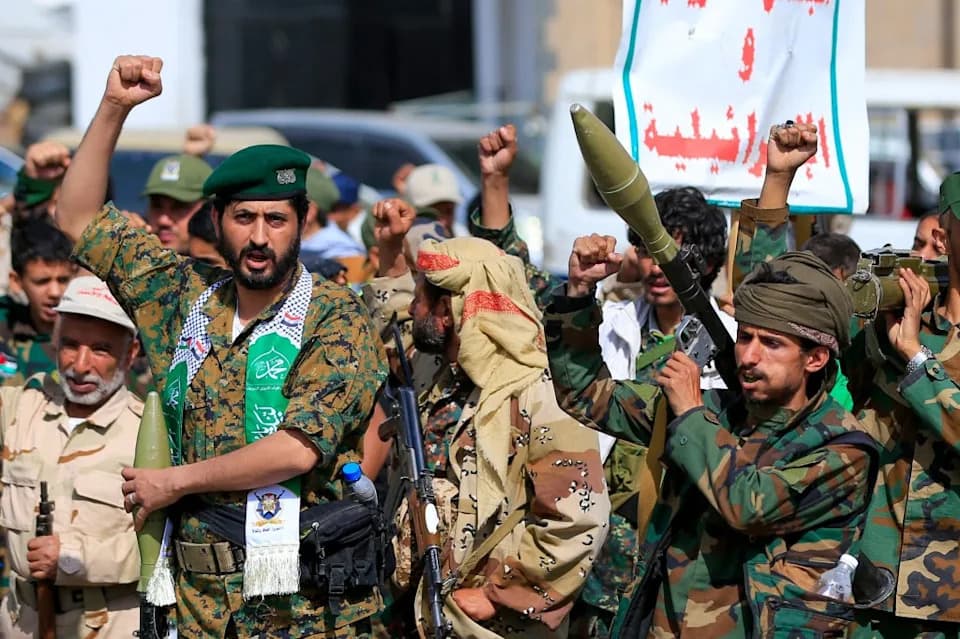
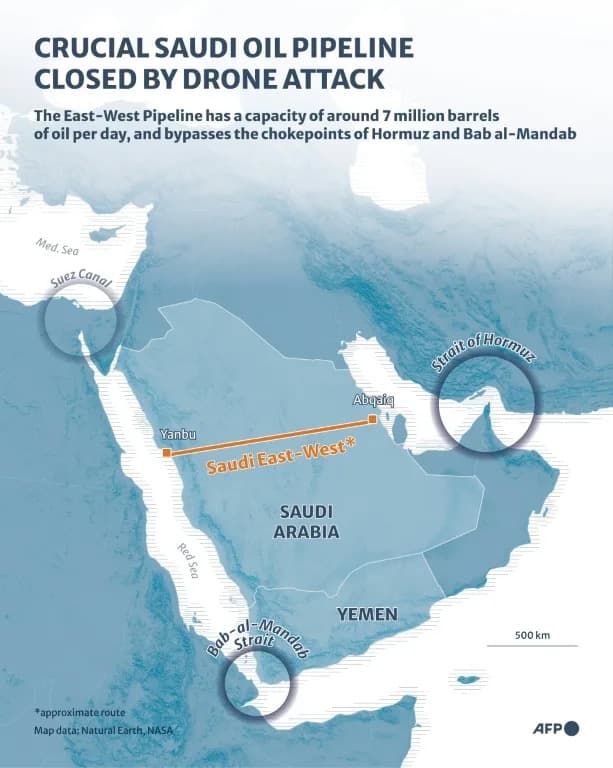
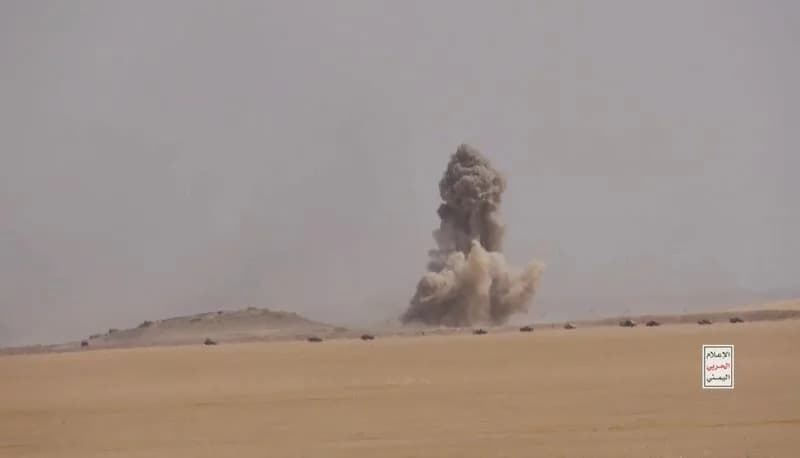
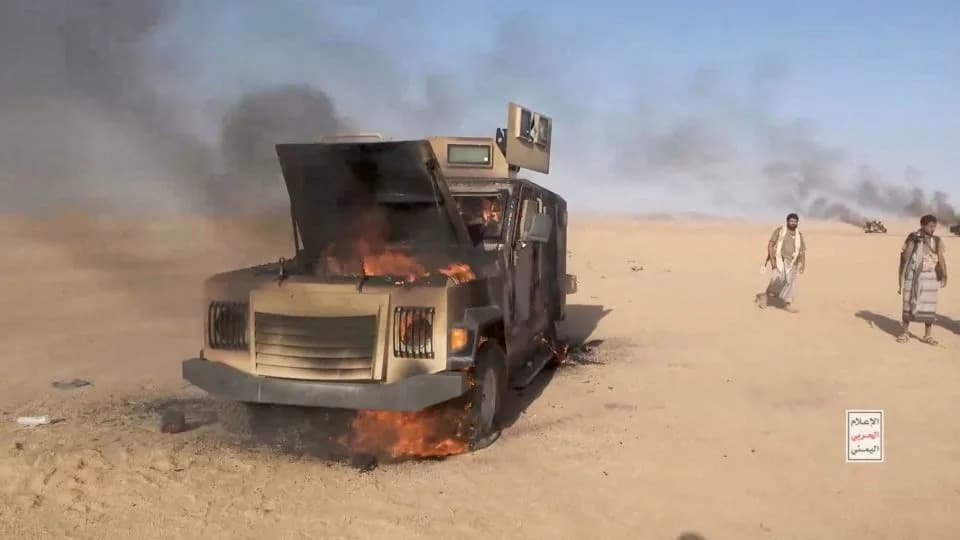
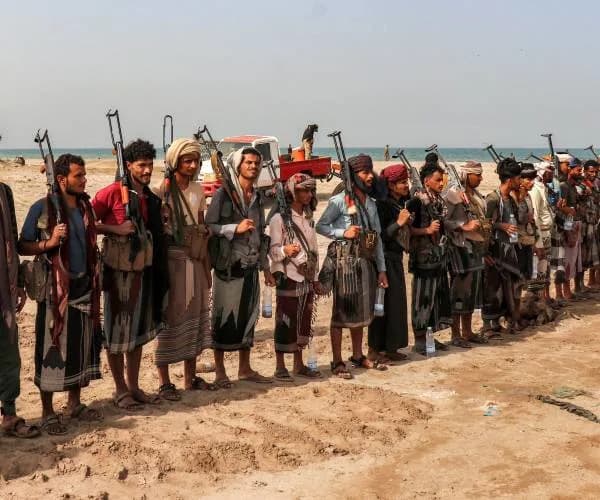
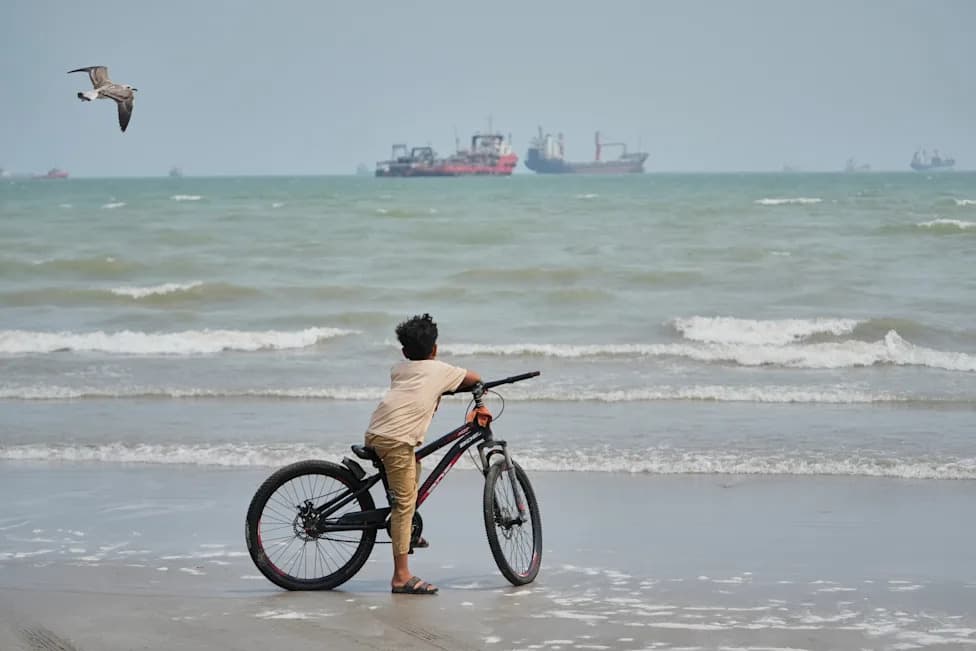
To the north, Iran-backed militias in Iraq struck Saudi Arabia’s East–West pipeline. To the south, Yemen’s Houthi rebels have pushed along the Red Sea coast, threatening shipping near the Bab el-Mandeb strait. To the east, the broader US–Iran confrontation continues to disrupt traffic through the Strait of Hormuz. Sandwiched between these threats, Saudi Arabia finds its export routes and strategic depth under pressure.
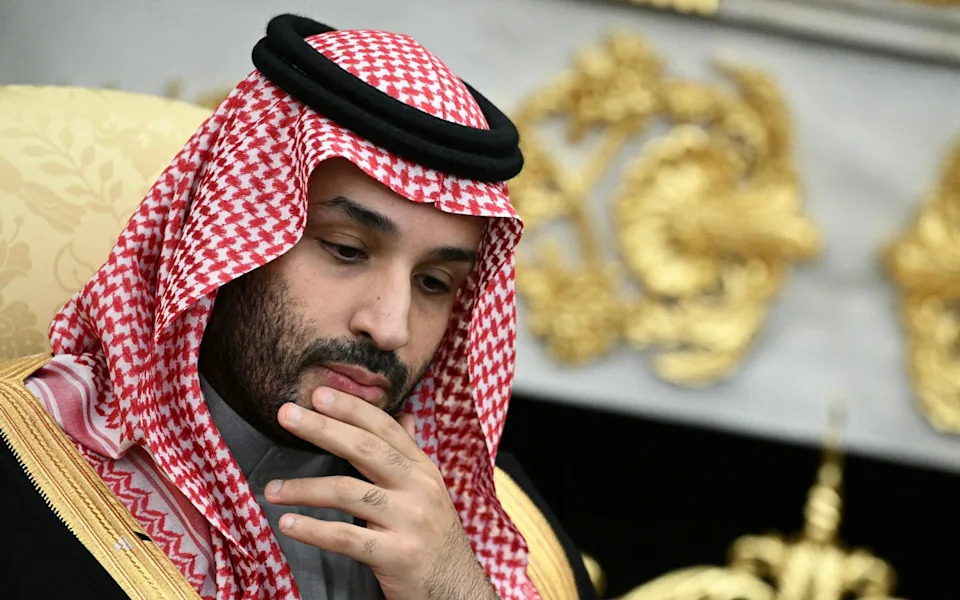
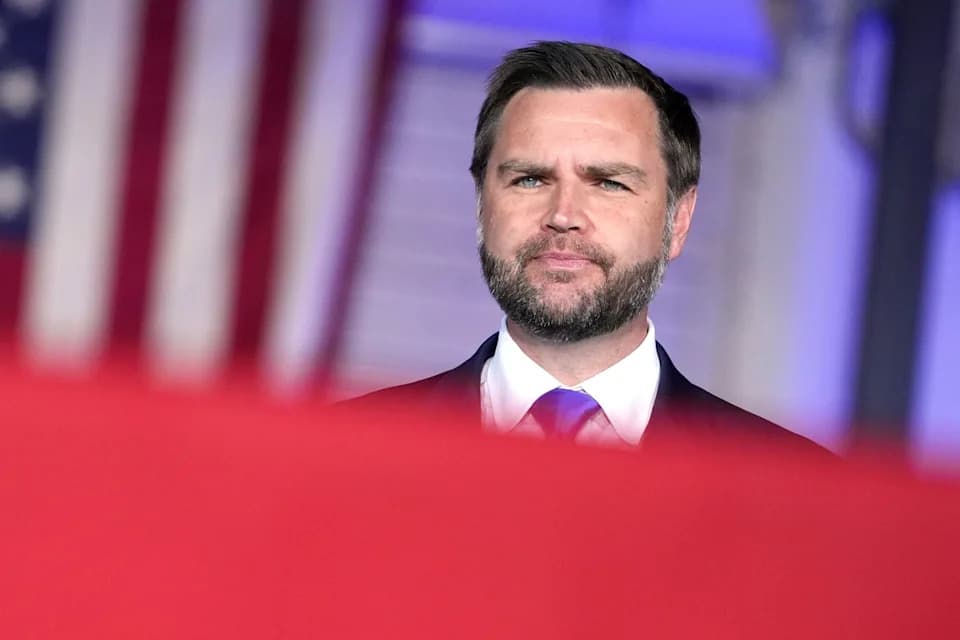
The crown prince built his plans for economic revolution on the assumption that he could keep the wars of the Middle East at bay - AFP via Getty Images/Brendan Smialowski
Allies Offer Limited Help
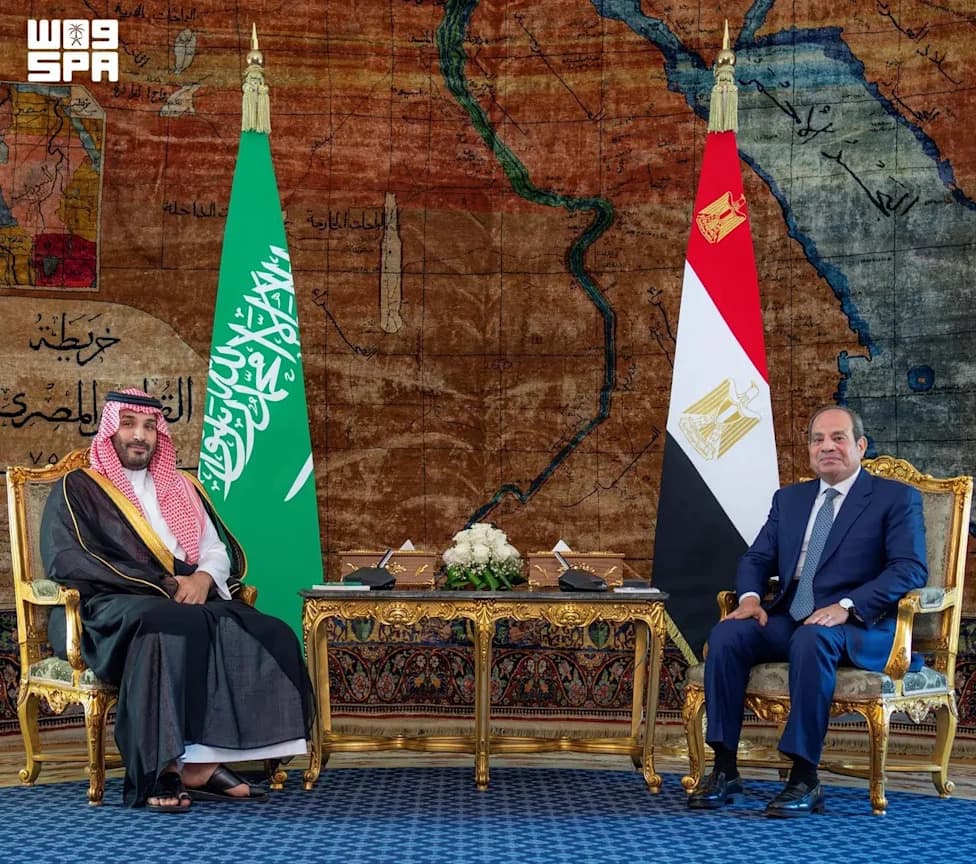
According to reports, when Houthi strikes threatened Saudi territory MBS phoned former US President Donald Trump twice seeking strikes. Washington supplied intelligence and other assistance but did not approve the strikes Riyadh sought. Britain has sent military advisers, yet like the US has stopped short of committing major combat forces. That restraint has complicated Riyadh’s choices in a fast-moving crisis.
Why Vision 2030 Is Vulnerable
Vision 2030, launched in 2016, is MBS’s long-term plan to reduce Saudi Arabia’s dependence on oil and transform its economy through tourism, entertainment, international sport and megaprojects. Those ambitions presume a stable regional environment. Experts say the current security disruptions have placed that assumption under unprecedented strain.
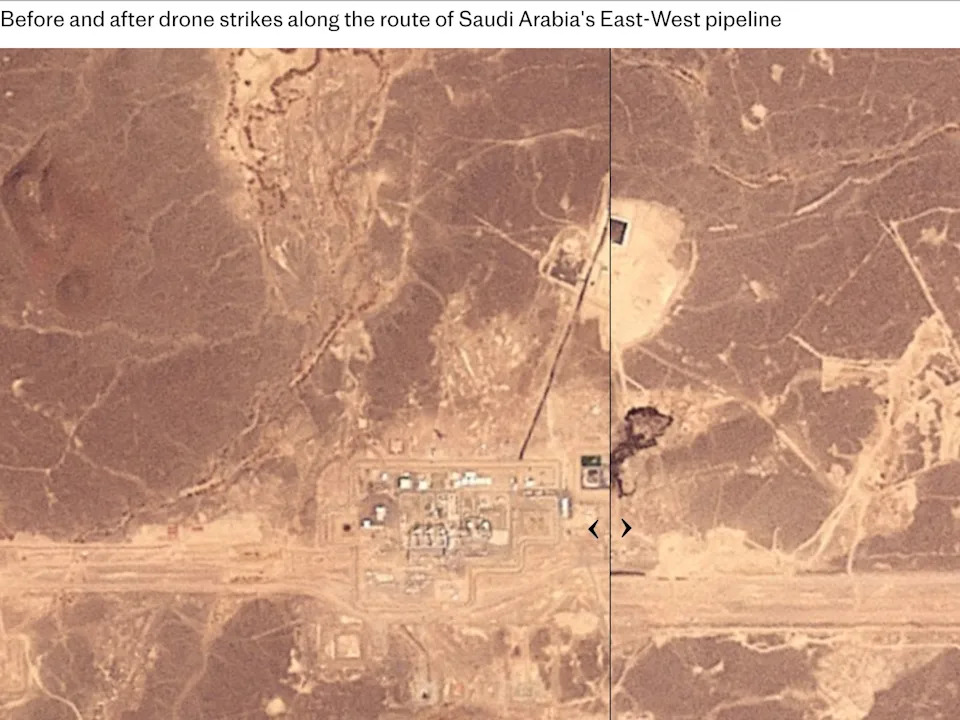
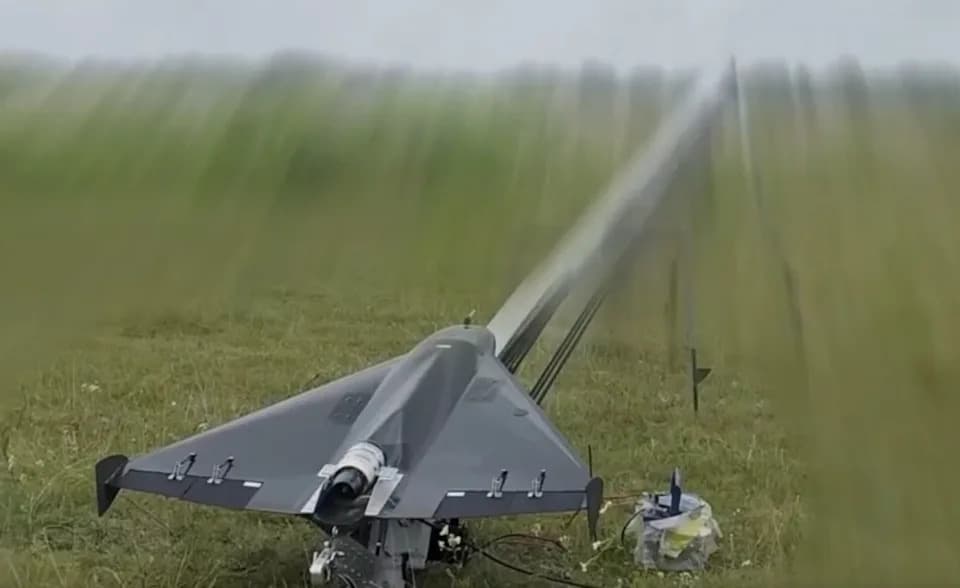
SQ East-West pipeline targeted by drones
Dr Rob Geist Pinfold, King’s College London: His entire grand strategy was predicated on creating a stable regional environment in which Saudi Arabia can focus inward on economic transformation. That strategy now faces unprecedented threats.
Energy And Economic Impacts
Even before the pipeline attack, OPEC reported Saudi oil output was at its lowest in 36 years. The East–West pipeline, which bypasses the key maritime choke points, became essential for sustaining exports; its closure is expected to force reductions at refineries on the kingdom’s western coast. Although Riyadh could increase shipments via the US-monitored side of the Strait of Hormuz, the risk of Iranian attacks along that route remains.
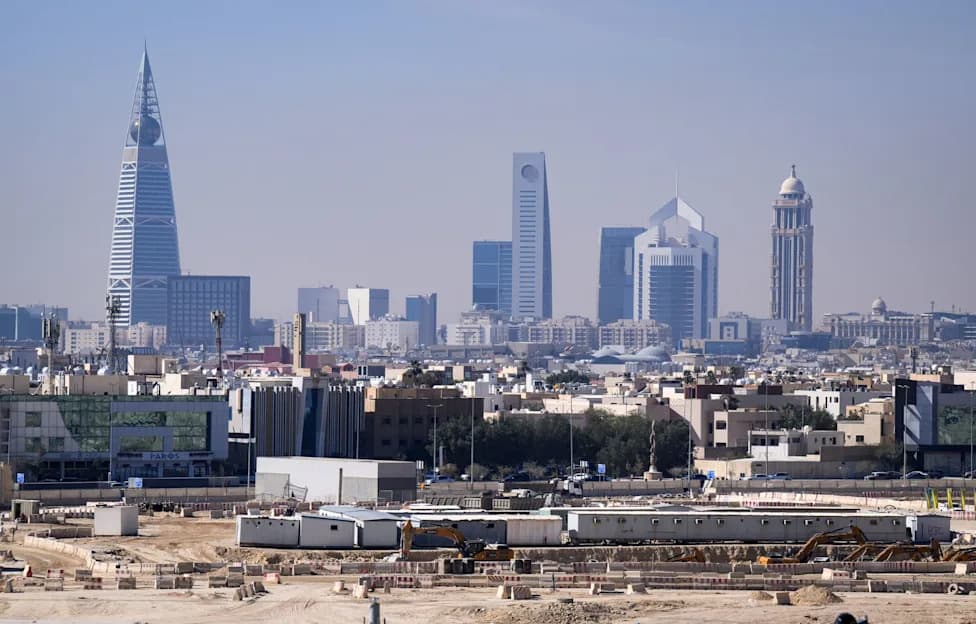
Economic strains extend beyond oil. The Line, a planned 106-mile mirrored city designed to showcase the kingdom’s future, has been sharply scaled back amid layoffs. Meanwhile the Public Investment Fund (PIF) withdrew support from LIV Golf after investing more than $5bn, and the venture entered Chapter 11 bankruptcy proceedings — examples, analysts say, of the financial pressures that accompany the security crisis.
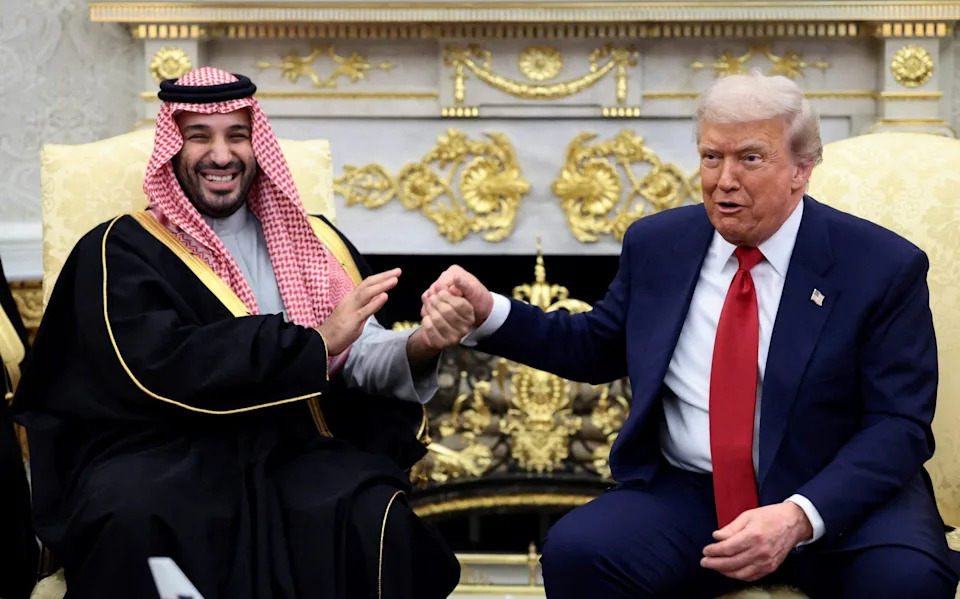
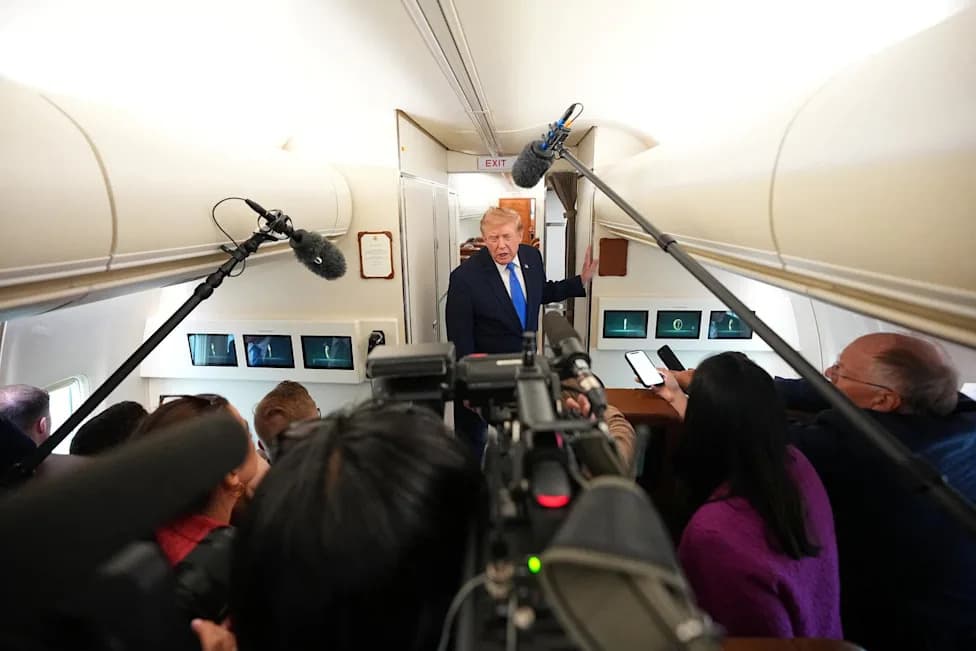
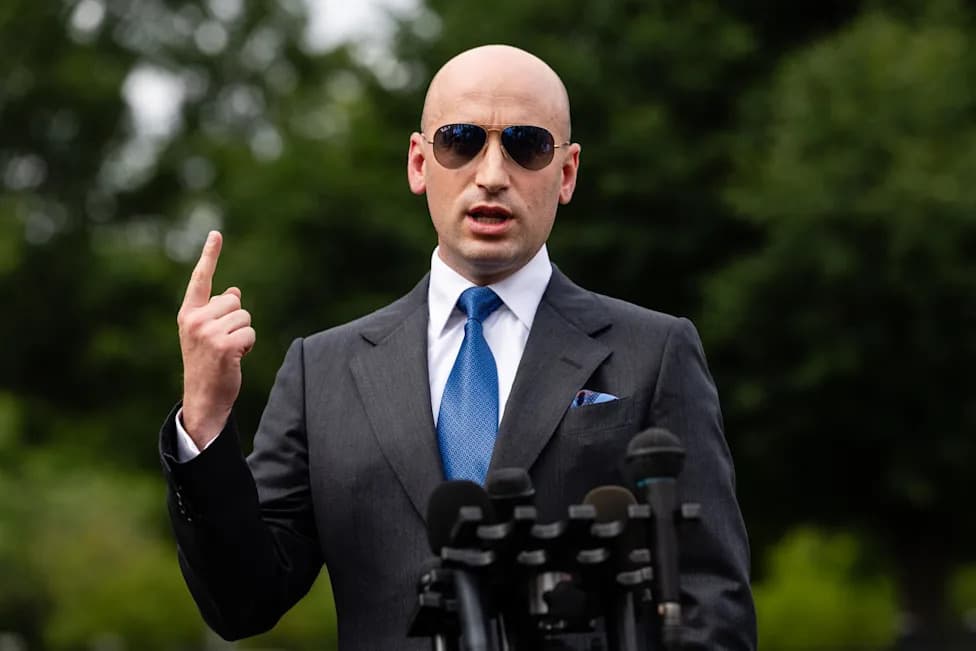
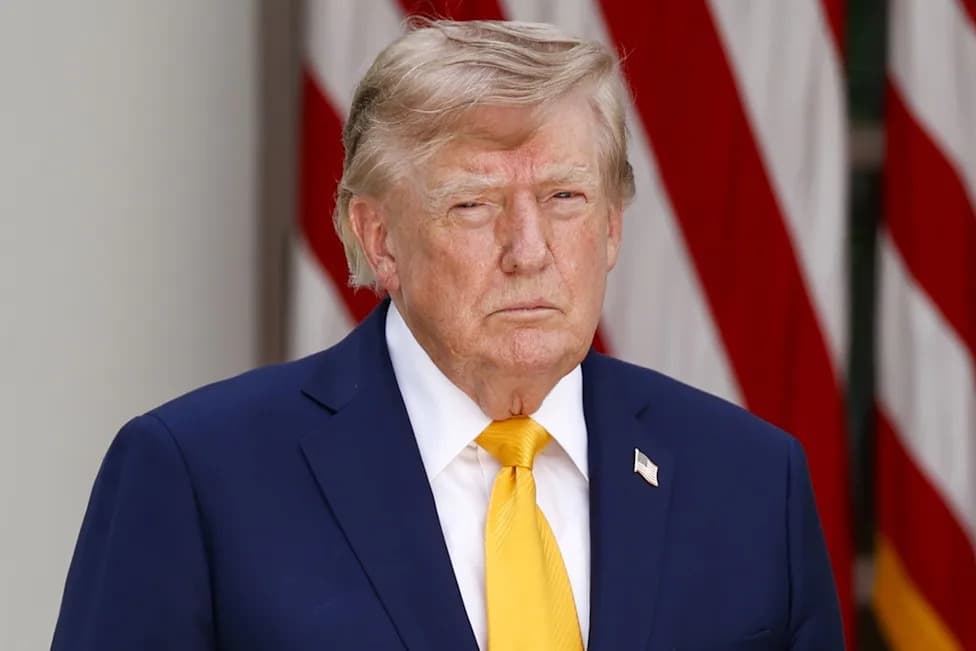
Donald Trump has not committed to providing tangible military support to MBS - REUTERS/Evelyn Hockstein
Military Limits And Diplomatic Fault Lines
Saudi Arabia’s intervention in Yemen since 2015 demonstrated the limits of military power: Riyadh was unable to completely defeat the Houthis or impose a settlement. Attempts at détente — including a 2023 rapprochement with Tehran and accommodation with the Houthis — unraveled in July when the rebels announced they would blockade Saudi ports in solidarity with Iran.
Dr Kristian Alexander: Calibrated attacks can raise economic costs, weaken confidence in Saudi security and pressure MBS to negotiate while avoiding an all-out response.
Riyadh has sought to broaden security ties with partners such as Turkey and Pakistan, but Gulf cooperation appears frayed. A Saudi–Emirati rift and limits to US and British military support constrain collective responses, analysts warn.
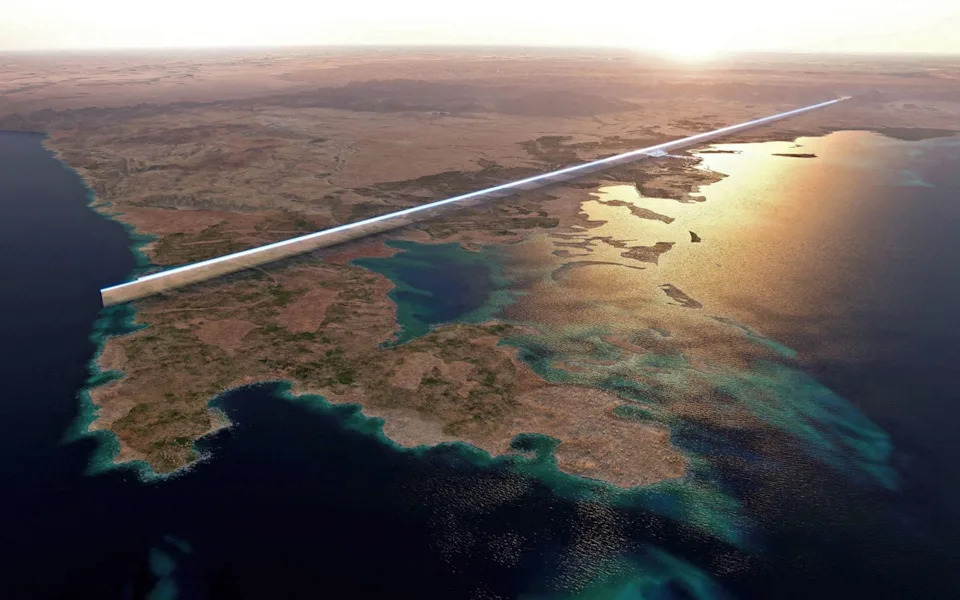
Saudi Arabia has scaled back The Line, a 106-mile mirrored city - AFP via Getty Images
Domestic Stability — Intact But Tested
Despite external pressures, most analysts judge MBS’s hold on power to be secure. He has consolidated control over key institutions and built significant domestic support, particularly among younger Saudis. Observers say a coup is unlikely in the short to medium term; instead, the immediate danger is that sustained insecurity will make the social and economic transformation he seeks far more costly or unattainable.
Outlook
The crown prince faces a stark choice: escalate militarily and risk a costly, drawn-out campaign, or accommodate the new reality and accept that missiles and drones can shape Saudi policy. Both paths carry heavy political and economic costs. For now, Saudi Arabia’s ability to keep its reform agenda on track depends on whether it can restore secure export routes, rebuild allied cooperation and stabilise the neighbourhood.
Help us improve.