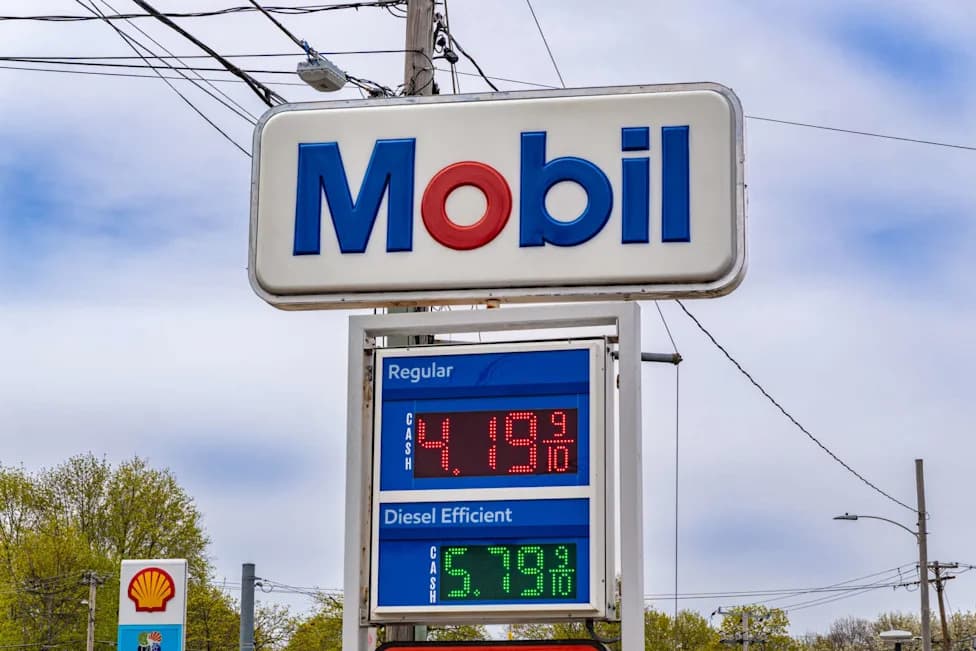
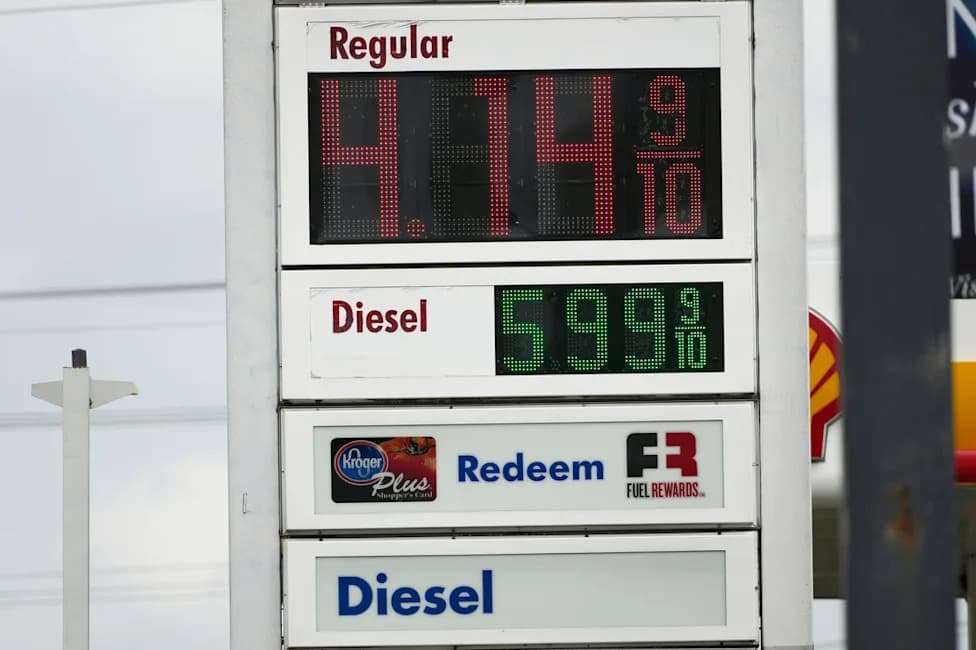
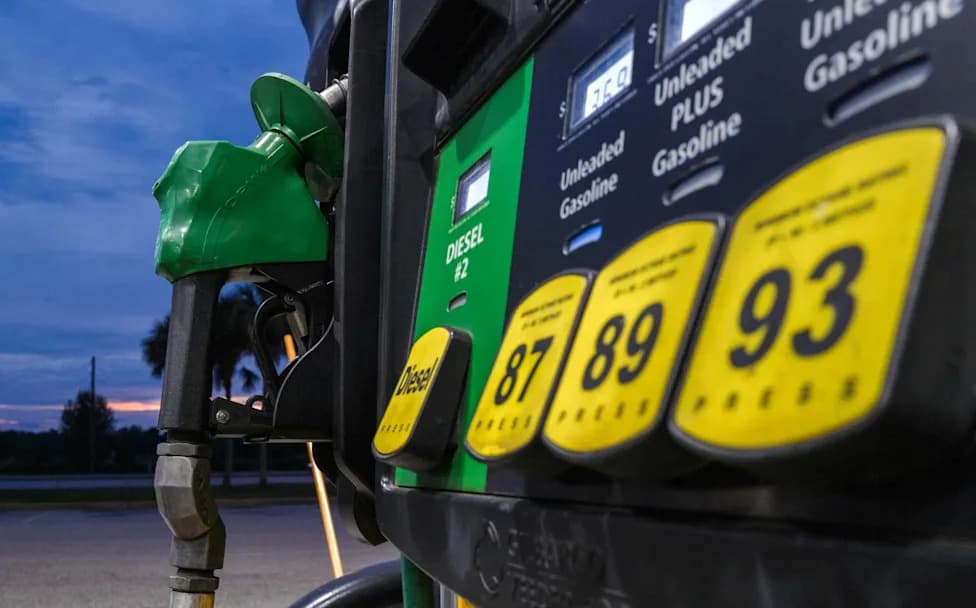
President Trump has discussed banning diesel exports as diesel prices climb above $6 per gallon, a proposal that could temporarily raise domestic diesel supply and lower diesel pump prices. But because refineries produce both diesel and gasoline from the same crude, forcing diesel to stay home could reduce gasoline output and push California pump prices even higher. The White House says no decision has been made, while California officials have taken emergency steps to ease costs for drivers.
How A Diesel Export Ban Could Push California Gas Prices Even Higher
Why a diesel export ban could send California gas prices soaring
President Donald Trump has discussed a possible ban on U.S. diesel exports as national fuel prices surge — a move that industry analysts and oil companies warn could push gasoline prices in California, already the highest in the nation, even higher.
The White House talks about restricting diesel shipments abroad were first reported by POLITICO and surfaced as Republican officials search for short-term measures to reassure voters ahead of the midterm elections.
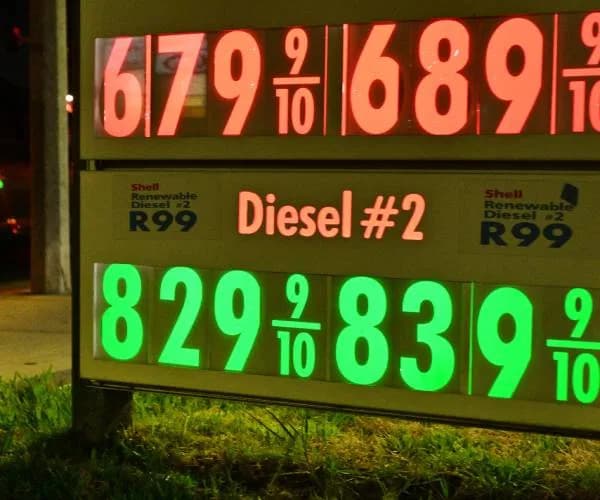
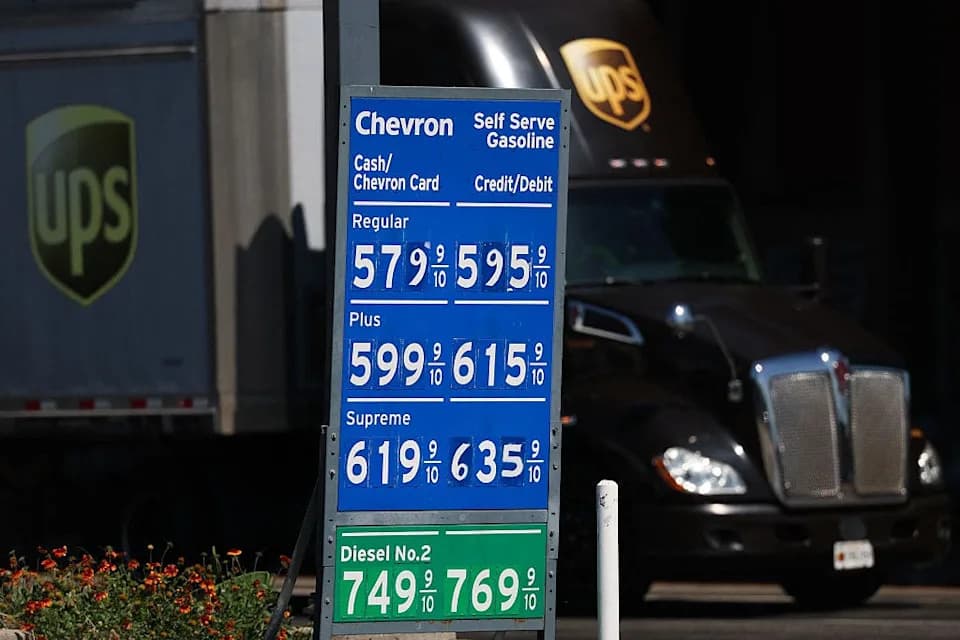
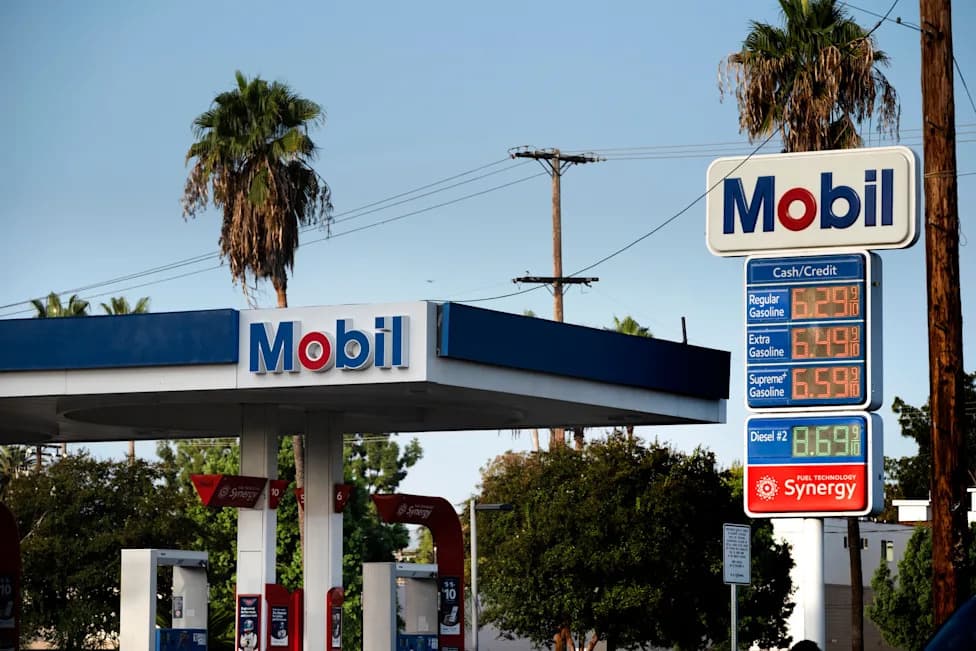
The national average for a gallon of diesel has topped $6 for the first time on record amid major supply disruptions linked to the conflict in Iran and a Russian export ban that removed one of the world’s largest suppliers from the market. According to AAA, diesel cost $6.45 per gallon nationwide and $8.39 per gallon in California as of Monday.
Forcing U.S. refiners to keep diesel domestic could, at least temporarily, increase local diesel supplies — lowering prices for the fuel used by tractors, trucks and ships, market analysts say.
"The short answer is, we would have more diesel if such a ban really were instituted. That would lower prices," said Aaron Smith, an economist and professor at the University of California, Berkeley.
However, that relief for diesel could be offset by higher prices for gasoline and jet fuel. Refining a barrel of crude typically yields about 45% gasoline and roughly 30% diesel, with the remainder going to jet fuel, asphalt and other products. If refiners are forced to store unsold diesel or slow runs, gasoline output could fall.
"We don't have a whole lot of extra storage space in California to store that surplus," said Jodie Muller, CEO of the Western States Petroleum Association. "So when the tanks get full and there's nowhere for it to go, the refineries will have to cut back, and that leads to widespread concerns not only for diesel but also for gasoline and jet fuel."
California exports a large share of the diesel it produces. With limited storage capacity, refiners could reduce throughput if a ban leaves them with unsellable diesel — a step that would tighten gasoline supplies and lift pump prices in a state where the average price of regular gasoline was about $6.36 per gallon at the time of reporting.
Although the White House has not formally adopted a diesel export ban — and has offered mixed messages about whether it remains under consideration — the prospect has provoked unusually public opposition from an industry that has otherwise benefited from this administration's deregulatory agenda.
Severin Borenstein, faculty director of the Energy Institute at UC Berkeley's Haas School of Business, suggested the episode could prompt oil-industry leaders to reassess their relationship with the White House.
"I suspect they have been thinking that this administration is well aligned with the oil industry, and it has been in many areas, but Trump's alignments are purely transitory," Borenstein said. "So this isn't surprising at a time when the politics are suddenly running very much against the oil industry."
California Republicans largely declined to comment; none of the state's eight House Republicans responded to requests. The White House said Monday that "no policy decision has been made at this time," adding that the President is evaluating options to try to lower prices at the pump.
Meanwhile, Governor Gavin Newsom announced he had suspended a requirement that refineries supply a cleaner — and more expensive — summer gasoline blend intended to reduce pollution. Newsom criticized the federal response to global price pressures and urged action to address supply-driven price spikes.
This developing debate highlights a key trade-off: policies that boost one fuel's domestic availability can unintentionally tighten the supply of other refined products, with especially acute effects in states like California that face unique refining, regulatory and logistical constraints.
Source: POLITICO reporting; AAA fuel-price data; interviews with energy analysts and industry representatives.
Help us improve.